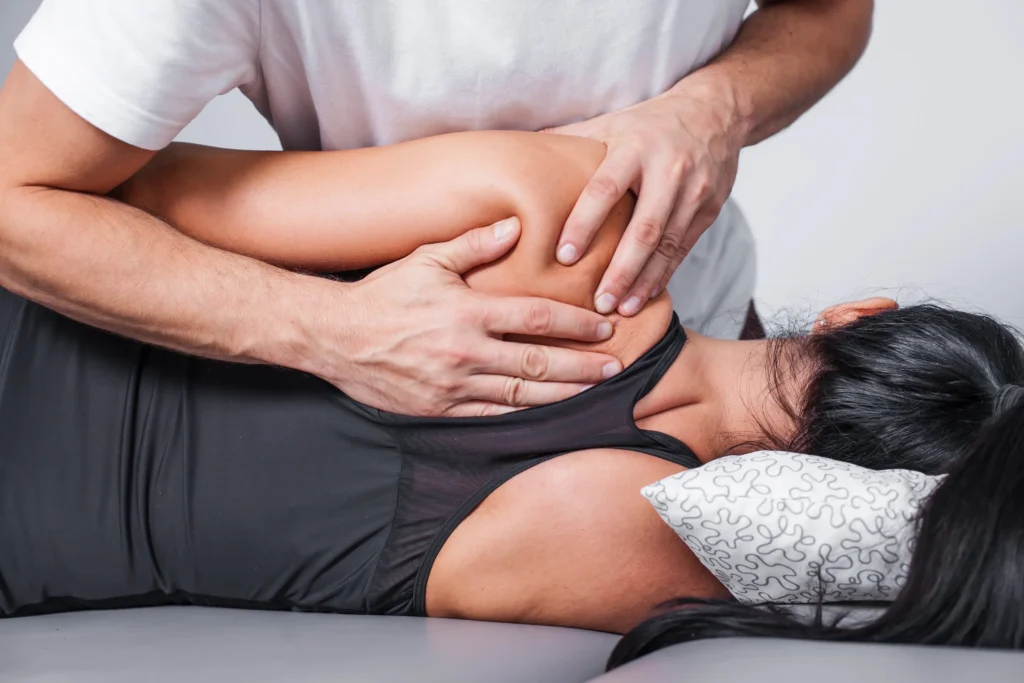
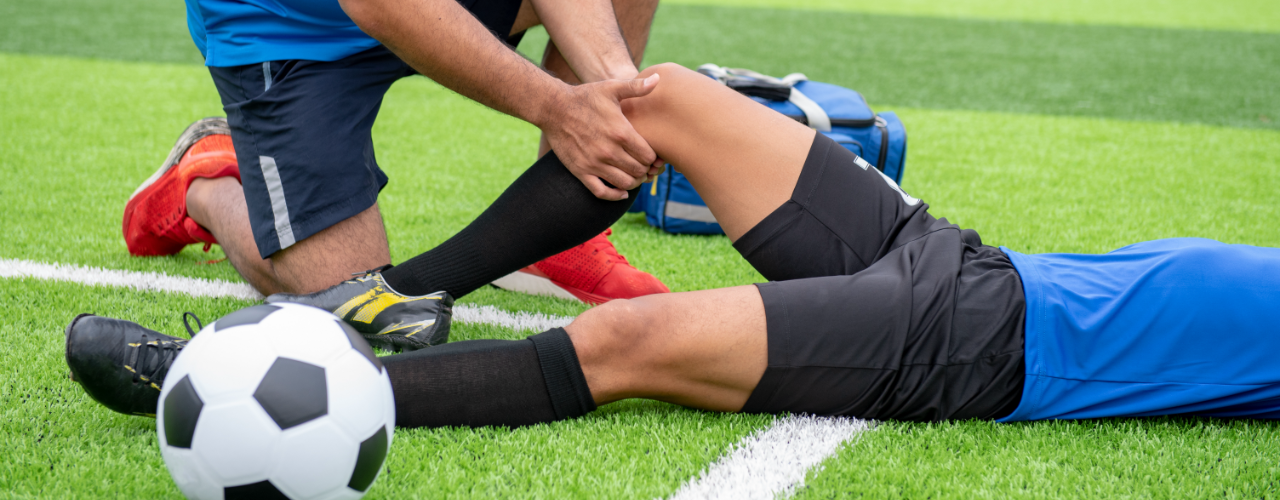
Focused, Individualized Care for Sports Injuries
Sports injuries can affect muscles, ligaments, tendons, and joints, whether you are a competitive athlete or a weekend runner. If you are dealing with a sports injury, you may feel frustrated by pain that limits performance and daily activity. Many individuals seeking care for sports injuries in Mississauga, ON want to return to practice, competition, or exercise safely and confidently. At Retrieve Physiotherapy, our physiotherapist provides structured rehabilitation for sports injuries with a focus on restoring strength, improving movement quality, and supporting long term performance.
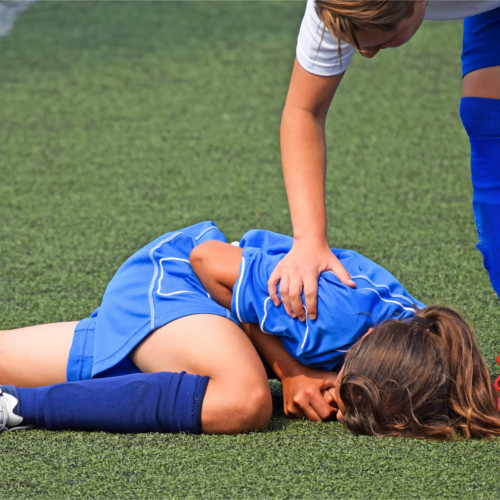
When Injury Interrupts Training and Competition
Sports injuries often occur during quick changes in direction, repetitive movements, or direct contact. Even a minor strain can affect coordination and confidence. You may notice swelling, stiffness, or weakness that changes how you move.
Patients recovering from sports injuries frequently report difficulty running, jumping, lifting, or throwing. Some avoid returning to sport because they fear reinjury. Many simply want to regain speed, agility, and strength without hesitation. Our team focuses on identifying movement deficits and building a plan that supports safe return to activity.
Why Early Evaluation Supports Better Recovery
Continuing to train on an injured area can prolong symptoms and alter mechanics. Rest alone may temporarily reduce pain, but without addressing strength and mobility deficits, symptoms can return. Early assessment by our physiotherapist helps clarify the extent of injury and guide appropriate progression.
Common causes of sports injuries include:
- Sudden changes in direction
- Overuse from repetitive training
- Inadequate warm up
- Muscle imbalances
- Limited flexibility
- Contact during play
A structured approach to sports injuries helps correct underlying movement patterns and reduce stress on affected tissues.
Common Symptoms of Sports Injuries
Sports-related injuries can present in many ways. Patients often experience:
- Localized pain during activity
- Swelling around a joint
- Muscle tightness
- Reduced range of motion
- Weakness with specific movements
- Instability during cutting or pivoting
- Tenderness to touch
- Difficulty returning to full speed
Our physiotherapist evaluates these symptoms and explains how strength, coordination, and joint mechanics influence performance.
A Progressive Plan to Return to Sport Safely
Care at Retrieve Physiotherapy begins with a detailed evaluation. Our physiotherapist reviews your injury history, assesses strength and mobility, and observes sport-specific movements. Together, you will set measurable goals such as returning to practice, improving sprint speed, or regaining jumping ability.
Rehabilitation progresses in stages. Early sessions may focus on reducing irritation and restoring range of motion. As symptoms improve, strengthening and neuromuscular control become central components. Later phases include sport-specific drills that challenge speed, agility, and endurance. A home program supports consistent progress between visits. Our physiotherapist reassesses regularly and adjusts exercises to match your recovery.
Athletes who seek care for sports injuries benefit from a structured progression that prepares the body for real game demands.
Common physiotherapy strategies include:
- Targeted strengthening exercises, which rebuild muscle support
- Neuromuscular training, which improves coordination and joint stability
- Mobility work, which restores full range of motion
- Plyometric training, which enhances power and control
- Agility drills, which improve change of direction mechanics
- Education on load management, which supports safe return to training
Each intervention focuses on functional performance and long-term resilience.
A Performance Focused Care Experience
Patients who choose Retrieve Physiotherapy for sports injuries receive individualized attention and clear guidance. Our physiotherapist explains each phase of recovery and sets objective benchmarks for progression. We track measurable improvements in strength, speed, and movement quality to guide return to play decisions.
Our clinic emphasizes:
- Individualized rehabilitation plans
- Evidence-informed clinical reasoning
- Clear communication about progress
- Ongoing reassessment
- Focus on injury prevention strategies
We aim to help you return to sport with confidence and improved movement efficiency.
What to Expect During Physiotherapy at Retrieve Physiotherapy
Your first visit will include a comprehensive assessment of the injured area and related movement patterns. Our physiotherapist will discuss your sport, position, and training demands. Together, you will outline a structured plan that aligns with your goals and season timeline.
Follow up sessions include guided exercises, progressive strengthening, and sport specific training. Visit frequency depends on injury severity and response to treatment. Our physiotherapist adjusts the program as strength, mobility, and endurance improve.
This organized and patient-centered approach supports steady recovery for sports injuries while keeping performance and safety at the forefront.
Return to Your Sport with Confidence
Sports injuries can disrupt training and competition, but guided rehabilitation supports a safe return to activity. A thorough evaluation and progressive plan can help restore strength, speed, and coordination. Contact Retrieve Physiotherapy to schedule an assessment and learn more about care for sports injuries in Mississauga, ON. Our team is ready to answer your questions and support your return to the activities you enjoy.
Frequently Asked Questions
How soon can I return to sports after an injury?
Do I need imaging before starting therapy?
Can physiotherapy help prevent future injuries?