Understanding the Impact of Professional Physiotherapy
Many people search for ways to move more easily and return to the activities they love without feeling held back by physical limitations. Physiotherapy can help achieve this goal by restoring movement and function when someone is affected by injury, illness, or disability. At Retrieve Physiotherapy, we offer comprehensive physiotherapy in Mississauga, ON to help you understand your body and regain your independence. Whether you want to play with your grandchildren, excel in your favorite sport, or simply get through a workday without stiffness, our team provides the guidance necessary to reach those goals. Choosing physiotherapy at Retrieve Physiotherapy means partnering with experts who prioritize your specific needs and long-term well-being.
When Movement Becomes a Challenge
Our therapists at Retrieve Physiotherapy use a variety of techniques when everyday activities begin to feel difficult. You might notice that your joints feel stiff in the morning, or perhaps you feel a nagging weakness that makes climbing stairs or lifting groceries a chore. We use these methods to bridge the gap between where you are now and where you want to be. Instead of focusing only on a single symptom, we look at how your body moves as a whole. This approach helps us identify why certain movements cause discomfort and how we can improve your overall comfort and coordination during your daily routine.
Everyday Goals We Can Reach Together
There are many reasons why people seek out support for their physical health. Our team assists individuals across a wide range of situations, including:
- Reducing persistent stiffness in the neck or lower back.
- Improving balance to feel more stable when walking on uneven surfaces.
- Building strength after a sports-related injury to ensure a safe return to play.
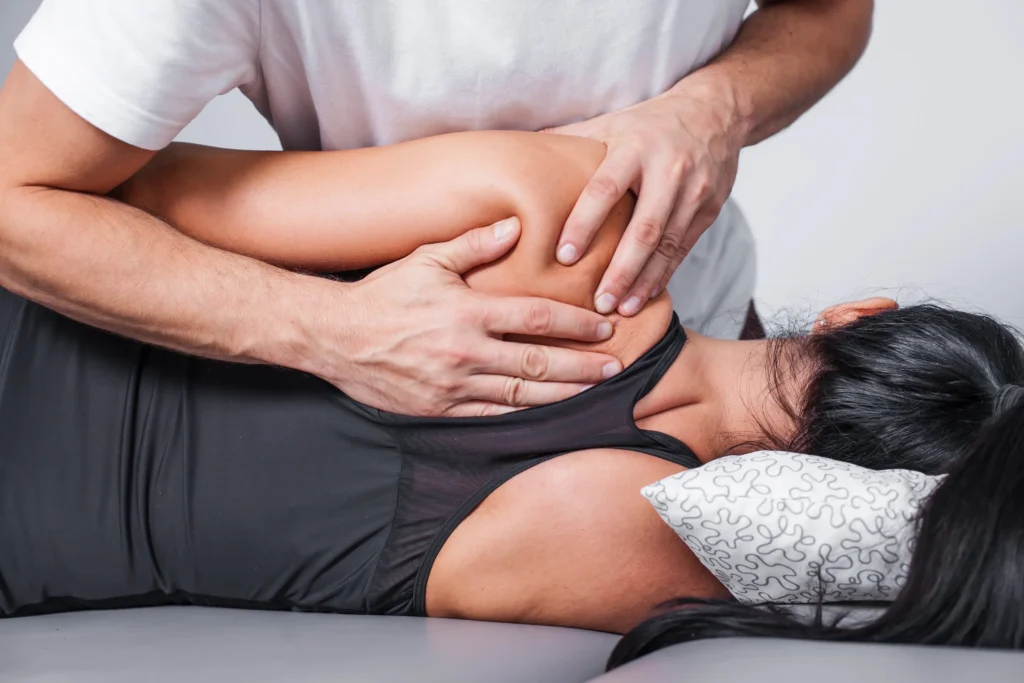
- Increasing mobility in the shoulders to make reaching and lifting easier.
- Managing discomfort associated with long hours spent sitting at a desk.
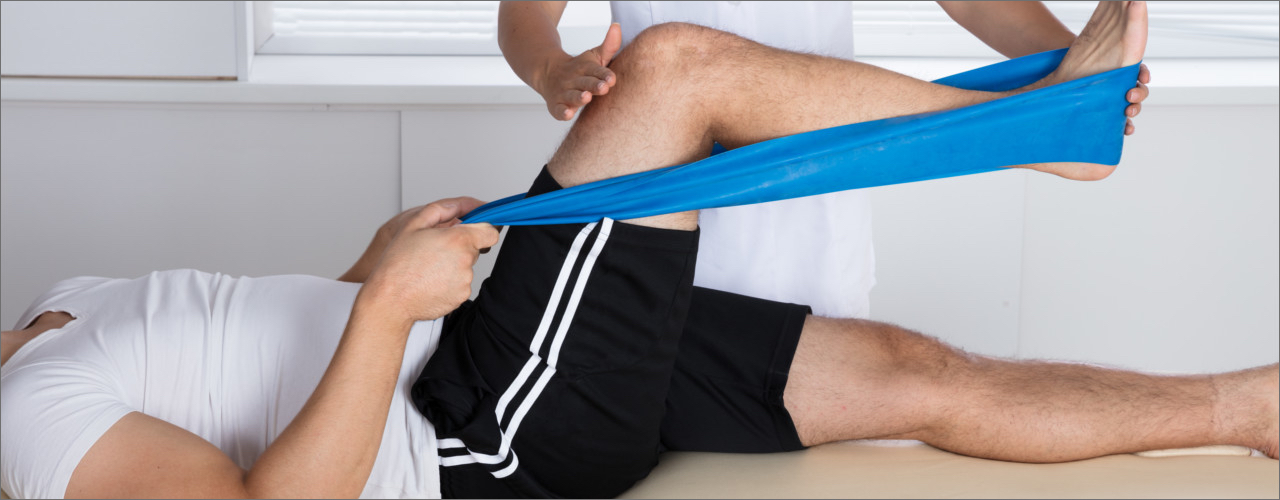
- Restoring function in the legs or hips after a period of inactivity.
- Enhancing coordination for complex movements required in hobbies or work.
- Developing better posture to reduce strain on the spine throughout the day.
A Collaborative Path to Better Health
We believe that the best results come from a well-rounded plan that combines hands-on care with active participation. At Retrieve Physiotherapy, we use various strategies to support your recovery:
- Guided Movement Training: We teach you the most efficient ways to move your body, which leads to less strain on your joints.
- Customized Exercise Programs: These specific activities build the endurance you need for a more active lifestyle.
- Stability Exercises: We focus on the muscles that support your spine, resulting in better balance and control.
- Hands-On Techniques: Manual methods help relax tight tissues, providing more comfort during your sessions.
- Patient Education: We explain the reasons behind your treatment, empowering you to manage your health at home.
- Functional Progressions: We gradually reintroduce the specific movements required for your job or sport, ensuring you feel confident in your return.
Advanced Techniques to Enhance Your Care Plan
At Retrieve Physiotherapy, we incorporate specialized approaches to ensure your recovery is thorough and effective. Every technique we select is based on a detailed individual evaluation and works best when integrated into a complete plan of movement and education.
ACL Injury Prevention
ACL injury prevention – What is it?
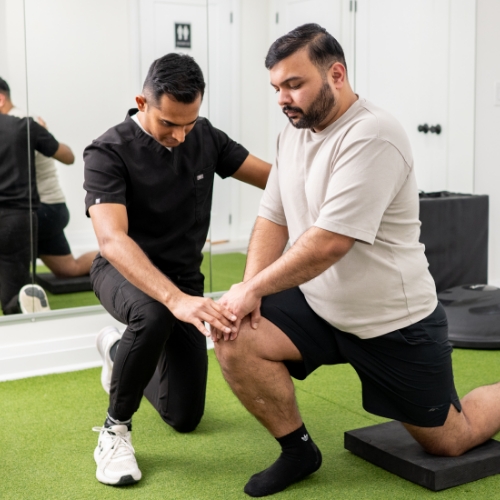
ACL injury prevention programs at Retrieve Physiotherapy focus on teaching athletes and active individuals how to move safely during high-impact sports. Our therapists analyze your jumping, landing, and pivoting mechanics to identify movement patterns that could put your knee at risk. By improving these mechanics and building specific strength in the muscles surrounding the knee, we help reduce the likelihood of a significant ligament tear.
Why choose this programme?
The primary benefit of this program is the increased confidence you feel when returning to the field or court. Knowing that your body is prepared for the physical demands of your sport allows you to play with more intensity and less hesitation. Our evidence-based approach ensures that every decision is guided by your specific recovery goals and long-term joint health.
Assisted Stretching
What is assisted stretching?
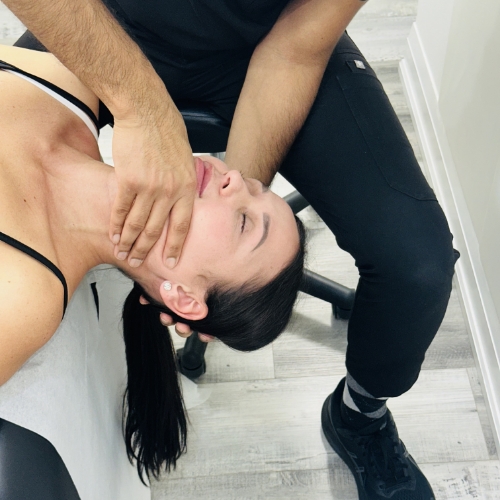
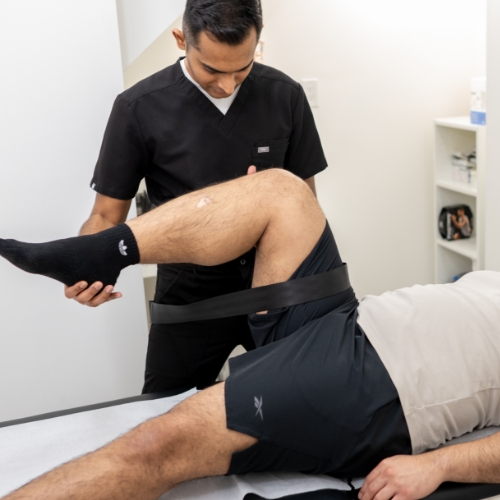
Assisted stretching involves a trained therapist guiding your body through specific stretches that are often difficult to perform effectively on your own. During these sessions, we use specialized positions and gentle pressure to help lengthen tight muscles and improve the mobility of your joints. This approach is much more effective than solo stretching because the therapist can ensure your body stays in the correct alignment to target the intended tissues.
What conditions can be treated?
The clear benefit of assisted stretching is the immediate feeling of less tightness and increased ease of movement. This improved mobility allows you to perform your daily tasks and exercise routines with significantly more comfort. At Retrieve Physiotherapy, we use these techniques to address generalized muscle stiffness, limited range of motion in the shoulders or hips, and postural tension. By integrating this into a full plan of physiotherapy, we help you move with more fluidity and less resistance during your favorite activities.
IASTM (Instrument Assisted Soft Tissue Mobilization)
What is the STM and IASTM
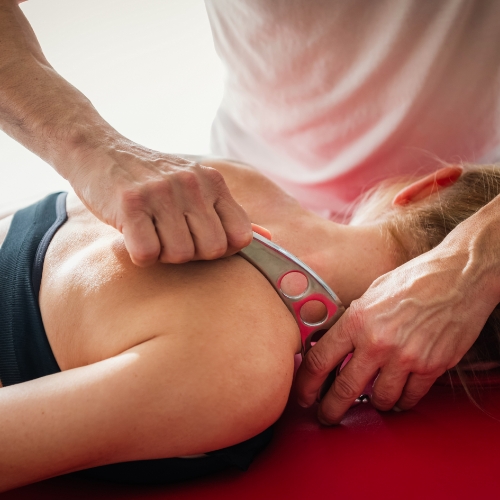
Soft tissue mobilization (STM) and instrument assisted soft tissue mobilization (IASTM) are specialized techniques used at Retrieve Physiotherapy to address restrictions in your muscles, tendons, and ligaments. STM involves a therapist using deep pressure and rhythmic strokes to break down areas of tension or knots that may cause discomfort or restrict your movement. IASTM builds upon this by using specialized tools that allow our therapists to identify and treat specific areas of connective tissue restriction that might be missed by the hands alone. Both approaches aim to smooth out underlying tissues and promote better circulation, which helps create a faster healing environment and reduces localized stiffness.
Types of tools used in IASTM
Our therapists use a variety of high-quality, ergonomic instruments during an IASTM session to ensure we address the exact source of your stiffness. Common examples include Graston technique tools or similar stainless steel instruments designed with specific edges and contours to match the different shapes of the body. These tools are exceptionally effective at detecting tissue textures and restrictions within the myofascial system. By applying gentle, targeted pressure with these instruments, we can effectively treat tissues that feel tight or unresponsive to traditional manual pressure.
What conditions can be treated?
Integrating STM and IASTM into your physiotherapy plan is highly effective for a wide range of common physical challenges. These techniques are frequently used to treat:
- Muscle Strains: Addressing localized tightness and promoting tissue repair after an injury.
- Tendonitis: Reducing tension in tendons, such as in the elbow or Achilles, to allow for smoother movement.
- Ligament Sprains: Helping to manage scar tissue and stiffness during the recovery process.
- Post-Surgical Stiffness: Breaking down surgical scar tissue to restore a more natural range of motion.
- Chronic Tension: Relieving deep-seated knots in the neck or lower back that contribute to ongoing discomfort.
The primary benefit of these treatments is a noticeable reduction in muscle soreness and a smoother sensation during daily activities. By preparing your tissues with these methods, we make your therapeutic exercises more productive and comfortable.
IFC (Interferential Current Therapy)
What is IFC
Interferential Current Therapy, often referred to as IFC, is a specialized form of electrical stimulation used at Retrieve Physiotherapy to address discomfort located deep within the body. This technique uses two different frequencies of gentle electrical current that intersect one another to reach deeper tissues than standard stimulation methods. Most people describe the experience as a soothing, tingling sensation that penetrates the affected area. The primary goal of this approach is to interfere with pain signals before they reach the brain while also helping to reduce local swelling.
What conditions do IFC works on
By effectively managing symptoms through physiotherapy, IFC ensures that you can focus on the movement-based parts of your recovery plan. This modality is particularly useful for the following situations:
- Deep Muscle Strains: Reaching underlying tissues to promote comfort and reduce tension.
- Joint Inflammation: Assisting in the reduction of swelling in areas like the knee, shoulder, or ankle.
- Chronic Back Discomfort: Providing a deep, soothing sensation to manage long-term spinal stiffness.
- Post-Surgical Recovery: Helping to manage localized swelling and discomfort following an operation.
- Acute Nerve Irritation: Interfering with sharp signals to allow for easier movement during daily tasks.
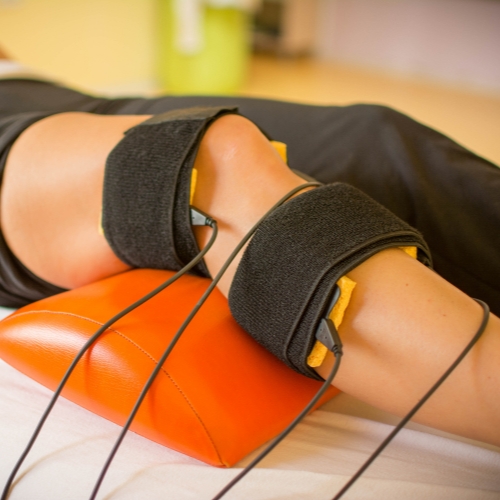
The main benefit of IFC is increased physical comfort, which makes it much easier for you to participate in rebuilding your strength and function. Our therapists integrate this into your overall plan based on an individual evaluation to ensure it supports your specific goals.
Joint Mobilisation
What is Joint Mobilisation?
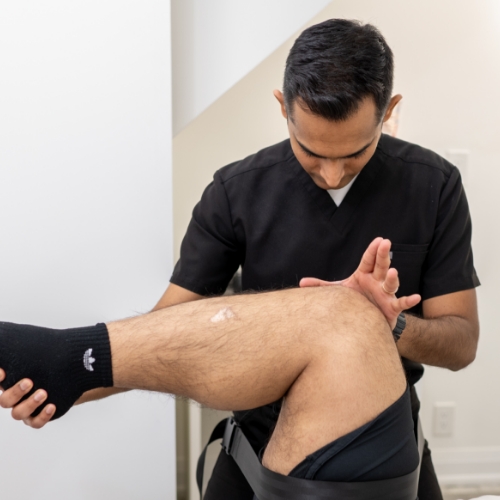
Joint mobilisation consists of gentle, rhythmic movements applied directly to a joint to restore its natural glide and roll. When a joint becomes stiff due to injury or inactivity, it can prevent you from completing a full range of motion, which affects how you move through your day. Our therapists use their hands to apply targeted pressure to the joint, helping to restore its normal movement patterns without causing strain.
Why we do joint mobilisations
The clear benefit of joint mobilisation is easier movement and a reduction in the pinched or stuck feeling often associated with stiff joints. This restored mobility is essential for returning to your regular work or hobby activities. We focus on these hands-on techniques to improve the way your joints function, which creates a better environment for your body to respond to strengthening and flexibility exercises.
Conditions being treated under joint mobilisation
Integrating these techniques into your physiotherapy plan is highly effective for various physical limitations. We commonly use joint mobilisation to address:
- Stiff Joints: Helping to restore the natural sliding and rolling motions of the joint surface.
- Limited Range of Motion: Assisting you in reaching further or moving more freely after an injury.
- Post-Surgical Stiffness: Reclaiming your mobility after a joint replacement or orthopedic surgery.
- Chronic Spinal Tension: Reducing the “stuck” feeling in the neck or lower back.
- Joint Sprains: Restoring proper movement patterns as ligaments and tissues heal.
By using these precise, manual methods, our team ensures that your body is prepared for more active movements, making your entire recovery more efficient and comfortable.
Rehabilitation for Pre and post joint replacement:
Role of physiotherapy in pre-rehabilitation cases?
Preparing your body before a scheduled surgery is a proactive strategy often referred to as pre-rehabilitation. At Retrieve Physiotherapy, we focus on building strength and improving the flexibility of the muscles surrounding the joint that will be replaced. This process ensures that your body is in the best possible physical condition before the procedure, which can lead to a smoother recovery and better initial mobility afterward. By participating in physiotherapy before your surgery, you also gain a clear understanding of the exercises and movements you will need to perform during your recovery, reducing anxiety and setting clear expectations for your results.
How Physiotherapy helps in post-operative cases?
Following a surgical procedure, joint replacement rehab provides a structured and safe environment to recover your strength and mobility. We focus on protecting the new joint while gradually rebuilding the muscles that support it, ensuring you reach your recovery milestones without overstraining the surgical site. Our therapists guide you through a careful progression of movement that improves your range of motion and helps you regain your balance. The primary benefit of this specialized care is a faster and more reliable return to your daily routine. By following a guided plan, you gain the confidence to walk, climb stairs, and stay active with your new joint.
What are common joint replacements that we deal with?
Our team is experienced in managing a variety of surgical recoveries to help you return to your favorite activities. We provide comprehensive support for several common joint replacements, including:
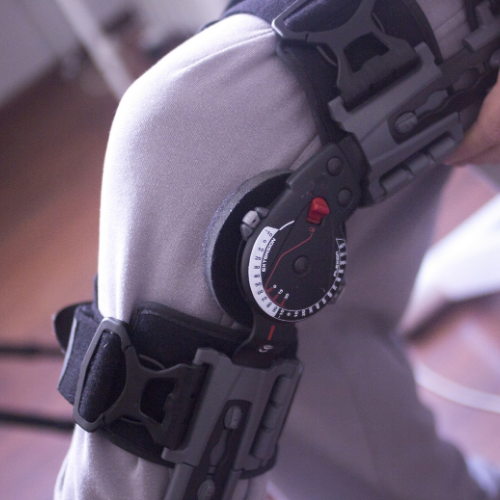
- Total Knee Replacement: Focusing on restoring the ability to bend and straighten the leg for walking and stair climbing.
- Total Hip Replacement: Concentrating on hip stability and improving your gait to ensure a smooth, comfortable stride.
- Shoulder Replacement: Working to reclaim the reach and overhead mobility needed for daily tasks and hobbies.
- Partial Joint Replacements: Tailoring the recovery to the specific compartment of the joint that was surgically addressed.
- Ankle Replacements: Building the balance and strength required for stable movement on various surfaces.
Kinesio Taping
What is Kinesio Taping?
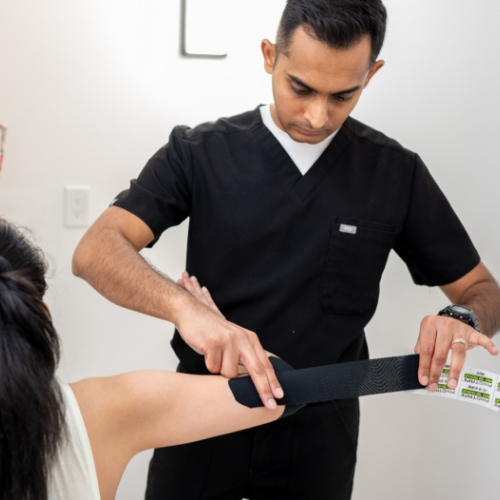
Kinesio taping involves the application of a flexible, specialized tape to your skin to provide gentle support for your muscles and joints. Unlike traditional athletic tape, this material is designed to move with your body, so it does not restrict your range of motion.
The tape helps improve your awareness of how you are moving, which is particularly helpful when you are rebuilding coordination after an injury. The clear benefit of Kinesio taping is more comfort and a sense of stability during your physical activities. Many patients find that the tape reduces the feeling of heaviness or fatigue in an area, allowing them to stay active for longer periods.
What conditions does taping serve as an adjunct?
While taping is most effective when integrated into a full plan of physiotherapy, it serves as an excellent supportive tool for a variety of physical challenges. At Retrieve Physiotherapy, we frequently use Kinesio taping to support the following conditions:
- Muscle Strains: Providing a gentle lifting effect on the skin to help reduce the sensation of pressure and support strained fibers.
- Ligament Sprains: Offering a sense of stability to joints like the ankle or knee during the early stages of recovery.
- Tendinopathy: Assisting with the management of tension in areas such as the Achilles tendon or the forearm.
- Postural Support: Helping to improve your awareness of spinal alignment when sitting or standing for long hours.
- Joint Swelling: Encouraging better local circulation to help manage minor fluid buildup after an injury.
- Patellofemoral Discomfort: Supporting the alignment of the kneecap during walking or running activities.
By providing this external support, we help you feel more confident as you work through the strengthening and movement-based portions of your care.
Manual Therapy
What is Manual Therapy?
Manual therapy is a fundamental part of physiotherapy that involves skilled, hands-on techniques used to treat musculoskeletal conditions. Rather than relying on machines or devices, our therapists at Retrieve Physiotherapy use their hands to apply pressure to muscle tissue and manipulate joints. This approach is highly personalized, as the therapist can adjust the pressure, speed, and technique in real time based on how your body responds during the session. By directly interacting with your tissues, we can identify specific areas of restriction that may not be apparent through observation alone.
Why is manual therapy important?
The main benefit of manual therapy is the immediate relief of tightness and improved ease of movement. By addressing physical restrictions in the muscles and joints, we create a better environment for your body to respond to strengthening and mobility exercises. It is an essential component of a recovery plan because it helps:
- Restore Joint Function: Improving the natural alignment and movement patterns of your joints to reduce a “stuck” or “pinched” sensation.
- Relax Hypertonic Muscles: Reducing excessive muscle tension and spasms that may be limiting your range of motion.
- Improve Local Circulation: Encouraging blood flow to injured or tight tissues to support the natural healing process.
- Modulate Pain Signals: Providing a soothing input to the nervous system, which helps lower your overall discomfort levels.
- Enhance Exercise Performance: Clearing the path for you to perform your therapeutic movements with better form and less resistance.
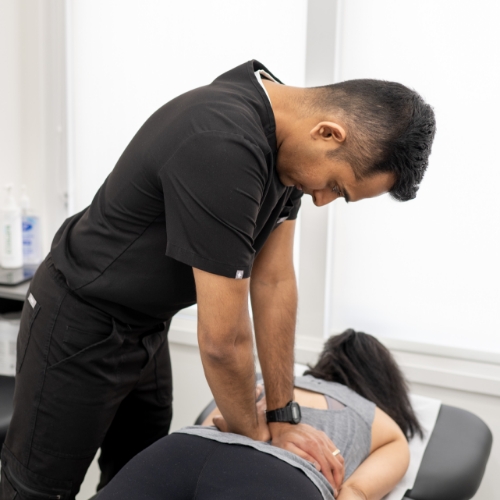
At Retrieve Physiotherapy, we prioritize these hands-on methods to ensure your recovery is as comfortable and efficient as possible.
MET (Muscle Energy Technique)
What is MET?
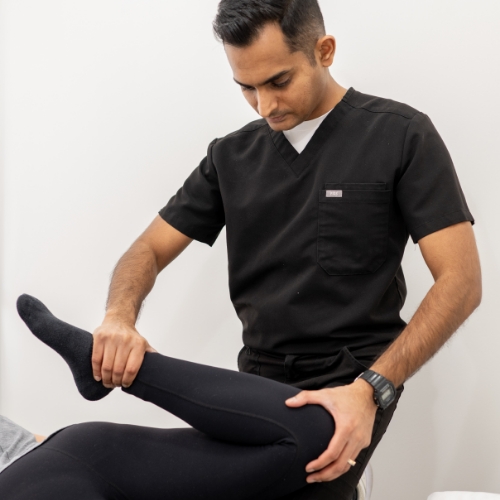
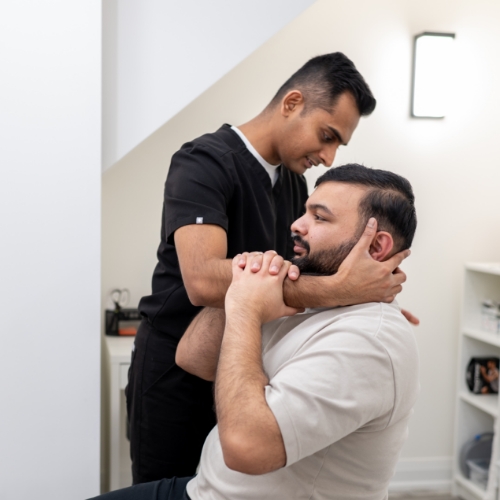
Muscle Energy Technique (MET) is a form of active treatment where you use your own muscle power to help reset joint positions and improve mobility. During this technique, a therapist at Retrieve Physiotherapy will place your limb in a specific position and ask you to gently contract a particular muscle against their resistance for a few seconds.
This process helps reset the tension levels in the nervous system, allowing the muscle to relax and lengthen more effectively once the contraction is released. Because you are the one providing the force, this technique is often more comfortable than passive stretching and gives you a greater sense of control over your recovery.
What conditions does MET help with?
Integrating MET into your physiotherapy is particularly effective for restoring movement when traditional stretching might feel too intense. We commonly use this approach to address:
- Post-Operative Conditions: Helping to reclaim a limited range of motion (ROM) after surgery by gently encouraging muscles to relax and joints to move.
- Acute Sprains and Strains: Managing the protective muscle guarding that often follows a sudden injury, which can severely limit your ROM.
- Chronic Neck and Back Stiffness: Resetting the resting tension of spinal muscles to allow for easier turning and bending.
- Pelvic and SI Joint Misalignment: Using specific muscle contractions to help balance the position of the pelvis.
- Muscle Shortening: Lengthening tissues that have become tight due to prolonged sitting or repetitive use.
By utilizing your own physical efforts to facilitate a faster and more complete recovery, MET provides a safe and controlled way to increase your flexibility and comfort.
PNF (Proprioceptive Neuromuscular Facilitation)
What is PNF?
Proprioceptive Neuromuscular Facilitation, commonly known as PNF, is an advanced form of flexibility training and muscle activation that improves the coordination between your nervous system and your muscles. Unlike a simple stretch, this technique involves a specific combination of stretching and contracting muscle groups to “reset” the communication between the brain and the body. At Retrieve Physiotherapy, our therapists guide you through these precise diagonal and rotational patterns to ensure your muscles are firing in the correct sequence to support your joints. This method effectively targets the natural reflexes within your muscles to allow for a deeper, safer stretch than traditional methods.
Why PNF technique is important and helps in which cases?
The PNF technique is vital because it provides a significant improvement in both mobility and muscle control, leading to much smoother and more efficient movements. By training the muscles to work together in a coordinated way, we help you feel more stable during complex physical tasks and reduce the risk of future injuries. Integrating this approach into your physiotherapy is particularly helpful in several common situations:
- Muscle Weakness After Injury: Helping to “re-awaken” muscles that have become inactive or weak following a period of immobilization.
- Significant Joint Stiffness: Rapidly increasing the range of motion in areas like the hips or shoulders where traditional stretching has stalled.
- Athletic Performance Goals: Enhancing the power and coordination needed for sports that require quick changes in direction.
- Post-Surgical Rehabilitation: Restoring the natural movement patterns of the limb to ensure you can walk or reach with confidence.
- Chronic Tension Patterns: Breaking down long-standing habits of muscle tightness that lead to postural discomfort.
TENS (Transcutaneous Electrical Nerve Stimulation)
What is TENS?
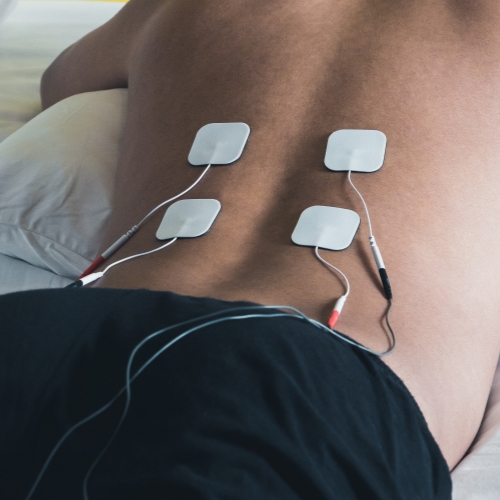
Transcutaneous Electrical Nerve Stimulation, commonly known as TENS, is a non-invasive technique that uses a small, battery-operated device to deliver gentle electrical currents through specialized pads placed on the skin. At Retrieve Physiotherapy, we use this modality to help block pain signals from traveling along the nerve pathways to the brain.
Additionally, the mild electrical pulses can stimulate the body’s natural production of endorphins, which are internal chemicals that promote a sense of well-being. While TENS is not a standalone fix for an injury, it serves as an excellent supportive tool for managing discomfort, allowing you to move more freely and stay engaged in your active recovery plan.
Conditions in which TENS helps?
The main benefit of TENS is temporary relief from nagging or sharp sensations, which helps you stay focused on the active steps needed for long-term health. Integrating this into your physiotherapy is particularly useful for various situations, including:
- Acute Sports Injuries: Managing the initial discomfort following a muscle strain or ligament sprain.
- Chronic Back and Neck Tension: Providing a soothing input to help interrupt long-standing cycles of spinal stiffness.
- Post-Surgical Recovery: Offering a drug-free option to help manage localized discomfort while you rebuild your strength.
- Arthritic Joint Discomfort: Helping to reduce the sensation of “aching” in the knees, hips, or hands during daily activities.
- Nerve-Related Sensations: Calming the irritated signals associated with conditions like sciatica or carpal tunnel.
- Muscle Spasms: Assisting in the relaxation of tight muscle fibers that are guarding a sensitive area.
Dry Needling
What is dry needling
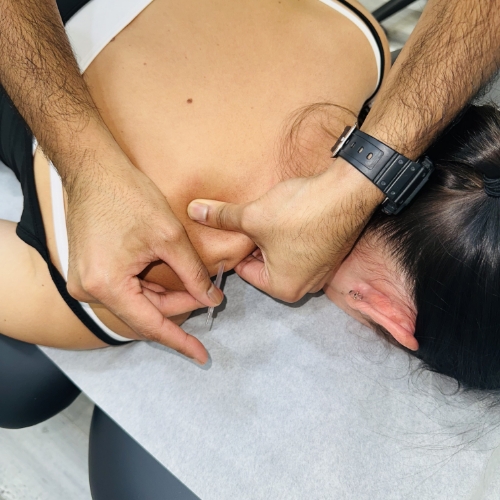
Dry needling is a specialized technique used at Retrieve Physiotherapy to address muscular tension and improve physical function. During this procedure, a trained therapist inserts a thin, sterile needle directly into a “trigger point” or a tight band of muscle tissue. Unlike a traditional injection, no medication or fluid is delivered through the needle, which is why the process is referred to as “dry.” This direct mechanical stimulation helps to release deep-seated knots and reset the resting tension of the muscle, allowing for a significant improvement in your overall mobility.
Why is it important and conditions that benefit from the dry needling?
Dry needling is an important component of physiotherapy because it can reach deep tissues that are often difficult to access with manual pressure alone. By releasing persistent trigger points, we help restore a more natural blood flow to the area and interrupt cycles of chronic muscle guarding. This technique is highly effective for a wide range of conditions, including:
- Chronic Neck and Back Discomfort: Releasing deep spinal muscles that contribute to stiffness and localized tension.
- Tension-Type Headaches: Addressing trigger points in the neck and shoulders that often refer discomfort to the head.
- Overuse Injuries: Treating conditions like tennis elbow or runner’s knee where muscle tightness has become a primary factor.
- Persistent Shoulder Stiffness: Improving the flexibility of the rotator cuff and surrounding tissues.
- Fibromyalgia Symptoms: Helping to manage the generalized muscle sensitivity associated with systemic conditions.
- Sports-Related Strains: Accelerating the recovery of tight hamstrings, calves, or hip flexors after high-intensity activity.
Is dry needling painful?
Most patients find that the sensation of dry needling is much different than what they expect. While the initial insertion of the needle is often barely felt, you may experience a “local twitch response,” which feels like a brief, dull cramp or a quick muscle contraction. This response is actually a positive sign that the trigger point is being successfully released. While there can be some mild muscle soreness in the treated area for 24 to 48 hours following the session, many people describe this as similar to the feeling after a challenging workout. Our therapists always communicate with you throughout the process to ensure you remain comfortable and informed.
Orthotics
What are orthotics?
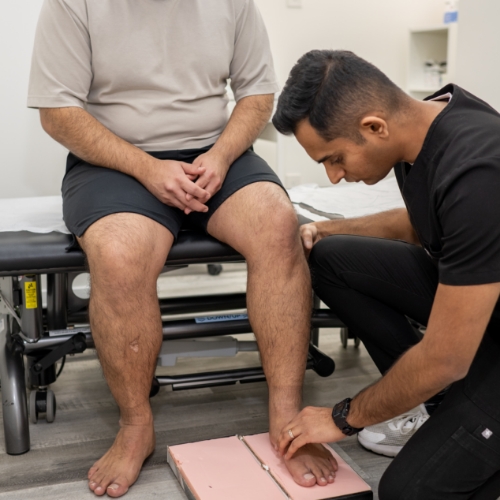
Orthotics are specialized medical inserts worn inside your shoes to support, align, or improve the function of your feet and lower limbs. Unlike mass-produced insoles found in retail stores, professional orthotics at Retrieve Physiotherapy are often tailored to the unique shape and movement patterns of your individual feet.
These devices work by redistributing pressure and adjusting the angles at which your foot strikes the ground during walking or running. By providing a stable foundation, orthotics help optimize the mechanics of your entire lower body, from your ankles up to your hips and lower back.
Why is it important, and what conditions benefit from orthotics?
The use of orthotics is a vital part of physiotherapy because foot alignment directly influences the stress placed on your joints further up the body. If your feet do not provide a balanced base, it can lead to compensatory movements that cause wear and tear on the knees and spine. By correcting these imbalances, orthotics help reduce fatigue and prevent the progression of structural issues.
Many common physical challenges benefit significantly from the support of orthotics, including:
- Plantar Fasciitis: Reducing the strain on the connective tissue along the bottom of the foot to manage heel discomfort.
- Flat Feet or High Arches: Providing the necessary structural support to prevent the foot from collapsing or rolling excessively.
- Bunion and Toe Deformities: Redistributing weight to take pressure off sensitive joints in the forefoot.
- Chronic Knee Discomfort: Aligning the lower leg to reduce the twisting forces that affect the kneecap and ligaments.
- Achilles Tendonitis: Altering the angle of the heel to decrease the tension on the calf muscles and tendons.
- Lower Back Stiffness: Improving your overall gait and posture by ensuring a level and stable foundation.
- Diabetic Foot Care: Providing specialized cushioning to protect sensitive areas and prevent the formation of pressure sores.
Integrity and Transparency in Every Visit
At Retrieve Physiotherapy, we believe that every person deserves a care plan built on honesty and professional expertise. We never prioritize the number of visits over the quality of your care; instead, we collaborate with you to define success based on your personal outcomes. Our therapists are dedicated to providing a seamless experience where your questions are answered and your goals are respected. We focus on empowering you through clear communication and evidence-based strategies, ensuring that you remain the center of your own health journey.
Reaching Your Physical Potential Together
The team at Retrieve Physiotherapy is ready to support you as you move toward a more active and fulfilling lifestyle. We understand that your goals are unique, and we are committed to providing the professional expertise needed to help you achieve them. Contact us today to learn more about our comprehensive approach to health or to schedule your initial evaluation.
Frequently Asked Questions
Why does Retrieve Physiotherapy emphasize one-on-one attention instead of group sessions?
How does the team at Retrieve Physiotherapy ensure my treatment plan aligns with my personal life?
What should I do if I am unsure which technique is best for my situation?